
Finding out you need a root canal can be stressful, and one of the first questions that comes to mind is usually about the cost. Understanding root canal cost helps you plan financially and make informed decisions about your dental care. The good news is that root canal treatment saves your natural tooth and prevents more expensive procedures down the road.
At Leslie Carpenter DDS in Pasadena, CA, we believe every patient deserves clear information about treatment costs before making decisions. This comprehensive guide covers everything you need to know about root canal pricing, factors that affect costs, and ways to make this essential treatment more affordable.
What Is a Root Canal and Why Is It Necessary?
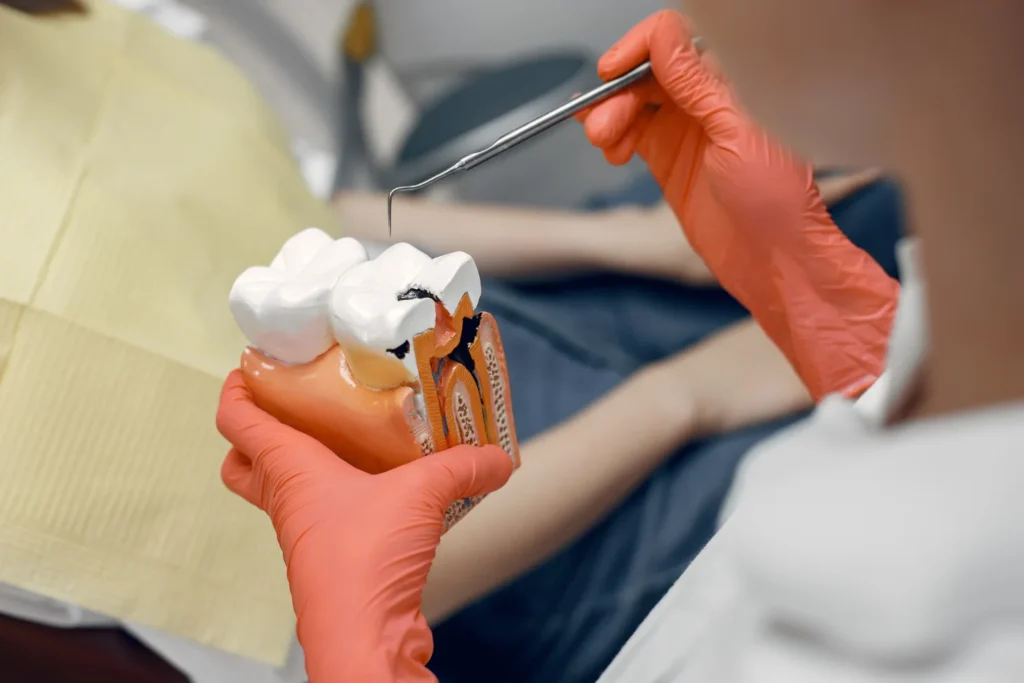
A root canal is a dental procedure that removes infected or damaged pulp from inside your tooth. The pulp contains nerves, blood vessels, and connective tissue that can become infected due to deep decay, cracks, chips, or trauma. Without treatment, the infection can spread, causing severe pain, abscess formation, and eventual tooth loss.
Common signs you may need a root canal include:
- Severe toothache that worsens with pressure or chewing
- Prolonged sensitivity to hot or cold temperatures
- Darkening or discoloration of the tooth
- Swollen or tender gums near the affected tooth
- A persistent pimple or bump on the gums
- Facial swelling in severe cases
Many Pasadena residents delay treatment due to cost concerns, but waiting often leads to more complex procedures and higher expenses. Early intervention with root canal therapy typically costs less than emergency treatments or tooth replacement options.
Average Root Canal Cost in 2025
Root canal cost varies based on several factors, but here are the typical price ranges patients can expect:
National Average Costs by Tooth Type:
| Tooth Location | Cost Range | Complexity Level |
| Front Teeth (Incisors) | $300 – $1,500 | Simplest |
| Premolars (Bicuspids) | $400 – $1,800 | Moderate |
| Molars | $500 – $2,000+ | Most Complex |
The significant price difference between tooth types relates to the number of root canals in each tooth. Front teeth typically have one canal, premolars have one or two, and molars can have three or four canals requiring treatment.
Additional Cost Considerations:
Beyond the root canal procedure itself, you should budget for related expenses:
- Initial examination and X-rays: $50 – $200
- Dental crown (usually recommended after root canal): $800 – $1,500
- Post and core buildup (if needed): $150 – $400
- Follow-up appointments: Often included in treatment cost
For Pasadena patients, costs generally align with Southern California averages, though individual practices may vary based on experience, technology, and overhead expenses.
Factors That Influence Root Canal Cost
Understanding what affects pricing helps you anticipate expenses and compare treatment options effectively.
Tooth Location and Complexity
As mentioned, molars cost more to treat than front teeth due to their complex root structure. Molars have multiple canals that curve and branch, requiring more time, skill, and specialized instruments. A straightforward front tooth root canal might take 45 minutes, while a complex molar could require 90 minutes or longer.
Severity of Infection
The extent of infection affects treatment complexity and cost. A tooth with a simple infection confined to the pulp chamber is easier to treat than one with infection spreading to surrounding bone or forming an abscess. Severe infections may require:
- Multiple appointments for treatment
- Calcium hydroxide dressing between visits
- Additional medications or antibiotics
- Longer healing time before crown placement
General Dentist vs. Endodontist
You can receive root canal treatment from either a general dentist or an endodontist, a specialist who focuses exclusively on root canal therapy.
General Dentist:
- Lower fees typically
- Convenient if you already have an established relationship
- Handles most straightforward cases effectively
Endodontist:
- Higher fees due to specialized training
- Access to advanced technology like surgical microscopes
- Recommended for complex cases, retreatments, or unusual anatomy
At Leslie Carpenter DDS, we evaluate each case individually and refer to trusted endodontists in the Pasadena area when specialized care would benefit the patient.

Geographic Location
Dental costs vary significantly by region. Urban areas and regions with higher costs of living typically have higher dental fees. Southern California, including Pasadena and surrounding communities like Arcadia, San Marino, and Altadena, falls into the moderate to higher cost range compared to national averages.
Technology and Equipment
Practices investing in modern technology may charge more, but advanced equipment often leads to better outcomes. Technologies that improve root canal success include:
- Digital X-rays for detailed imaging
- Cone beam CT scans for 3D visualization
- Rotary endodontic instruments for efficient cleaning
- Electronic apex locators for precise measurements
- Dental operating microscopes for enhanced visibility
Does Dental Insurance Cover Root Canal Cost?
Most dental insurance plans cover root canal treatment as a major procedure, typically at 50% to 80% of the cost after your deductible. However, coverage details vary significantly between plans.
Key Insurance Considerations:
- Annual maximums: Most plans cap benefits at $1,000 to $2,500 per year
- Waiting periods: Some plans require 6-12 months before covering major procedures
- Pre-authorization: Your insurer may require treatment approval before the procedure
- In-network benefits: Using an in-network dentist usually maximizes your coverage
- Separate crown coverage: The crown placed after root canal may count as a separate procedure
Example Insurance Scenario:
If your root canal costs $1,200 and your insurance covers 80% of major procedures with a $50 deductible:
- Total cost: $1,200
- Your deductible: $50
- Insurance pays 80% of remaining: $920
- Your out-of-pocket cost: $330
Our team at Leslie Carpenter DDS verifies insurance benefits before treatment and provides detailed cost estimates so Pasadena patients know exactly what to expect.
Payment Options for Root Canal Treatment
Root canal treatment should never be delayed due to financial concerns, as waiting typically increases both pain and eventual costs. Several options can make treatment more manageable:
Dental Financing Plans
Third-party financing through companies like CareCredit or LendingClub offers monthly payment plans, often with promotional periods featuring zero interest if paid within the specified timeframe.
In-House Payment Plans
Many dental practices, including offices in the Pasadena area, offer their own payment arrangements for patients who qualify. These plans allow you to spread costs over several months without involving outside lenders.
Health Savings Accounts (HSA) and Flexible Spending Accounts (FSA)
If your employer offers these benefits, root canal treatment is an eligible expense. Using pre-tax dollars effectively reduces your overall cost by your tax rate.
Dental Discount Plans
For patients without insurance, dental savings plans offer reduced fees in exchange for an annual membership. These plans can reduce root canal costs by 15% to 50% depending on the program.
Credit Cards
While not ideal for large expenses, credit cards with rewards or promotional rates can help manage costs when other options are not available.

Root Canal Cost vs. Tooth Extraction and Replacement
Some patients consider extraction as a cheaper alternative to root canal treatment. While pulling a tooth costs less initially, the long-term expenses of replacing that tooth usually far exceed root canal costs.
Cost Comparison:
| Treatment Option | Initial Cost | Long-Term Considerations |
| Root Canal + Crown | $1,300 – $3,500 | Preserves natural tooth, no replacement needed |
| Extraction Only | $150 – $400 | Bone loss, shifting teeth, bite problems |
| Extraction + Dental Implant | $3,000 – $6,000 | Best replacement but highest cost |
| Extraction + Bridge | $2,000 – $5,000 | Requires altering adjacent healthy teeth |
| Extraction + Partial Denture | $500 – $2,500 | Less stable, may need replacement over time |
Beyond financial considerations, keeping your natural tooth offers benefits no replacement can match. Natural teeth provide better chewing function, maintain bone density, and require no special maintenance beyond normal oral hygiene.
What to Expect During Root Canal Treatment
Understanding the procedure helps reduce anxiety and allows you to plan appropriately for your appointment.
Before the Procedure
Your dentist will take X-rays to assess the infection and plan treatment. You will discuss anesthesia options and receive pre-procedure instructions. Most patients can eat normally before their appointment unless sedation is planned.
During the Procedure
The treatment typically follows these steps:
- Anesthesia administration to ensure complete comfort
- Rubber dam placement to isolate the tooth and keep it dry
- Access opening through the crown of the tooth
- Pulp removal using specialized instruments
- Canal shaping and cleaning to remove all infected tissue
- Disinfection with antimicrobial solutions
- Canal filling with a biocompatible material called gutta-percha
- Temporary or permanent filling to seal the access opening
Most root canals are completed in one visit lasting 60 to 90 minutes. Complex cases may require two appointments.
After the Procedure
Some tenderness is normal for a few days following treatment. Over-the-counter pain relievers typically manage any discomfort effectively. You should avoid chewing on the treated tooth until your permanent crown is placed, usually within a few weeks.
Signs of a Successful Root Canal
Root canal treatment has a success rate exceeding 95% when performed properly. Signs your treatment was successful include:
- Pain relief within a few days of the procedure
- No swelling or tenderness after initial healing
- Normal function when chewing
- No recurring infection on follow-up X-rays
- The tooth remains stable and functional for years
Regular dental checkups allow your dentist to monitor treated teeth and catch any concerns early.
Why Choose Leslie Carpenter DDS for Root Canal Treatment
For over 35 years, Dr. Leslie Carpenter has provided compassionate, skilled dental care to patients throughout Pasadena and neighboring communities. Our practice combines experience with modern techniques to deliver comfortable, effective root canal treatment.
What patients appreciate about our practice:
- Thorough explanations of diagnosis and treatment options
- Gentle technique focused on patient comfort
- Transparent pricing with no surprise fees
- Insurance verification and benefits maximization
- Flexible payment options for uninsured patients
- Convenient location serving Pasadena, Arcadia, San Marino, South Pasadena, and Altadena
We understand that root canal treatment can feel overwhelming, both emotionally and financially. Our team takes time to address your concerns and ensure you feel confident about your care.
Schedule Your Root Canal Consultation Today
Tooth pain rarely improves on its own, and delaying treatment typically leads to worse outcomes and higher costs. If you are experiencing symptoms that might indicate the need for root canal treatment, prompt evaluation protects both your health and your wallet.
Contact Leslie Carpenter DDS today to schedule your consultation. We will examine your tooth, explain your options, provide a clear cost estimate, and help you access the care you need.
Do not let concerns about root canal cost prevent you from saving your natural tooth. Our Pasadena team is ready to help you smile comfortably again.
Frequently Asked Questions About Root Canal Cost
Is a root canal cheaper than an implant?
Yes, root canal treatment with a crown typically costs $1,300 to $3,500, while a dental implant ranges from $3,000 to $6,000. Additionally, root canals preserve your natural tooth, which offers benefits no replacement can match.
Why do root canals cost so much?
Root canal pricing reflects the procedure’s complexity, the specialized training required, advanced equipment used, and the time involved. Molar root canals especially require significant skill to treat multiple curved canals effectively.
Can I get a root canal without a crown?
While technically possible, placing a crown after root canal treatment is strongly recommended. The procedure removes blood supply from the tooth, making it more brittle and prone to fracture. A crown protects your investment in the root canal.
How long does a root canal last?
With proper care, a root canal treated tooth can last a lifetime. Success depends on good oral hygiene, regular dental checkups, and protecting the tooth with an appropriate restoration.
Is root canal treatment painful?
Modern anesthesia makes root canal treatment comfortable. Most patients report the procedure feels similar to getting a filling. Any post-treatment discomfort is typically mild and manageable with over-the-counter pain relievers.